The AI inventory has become the standard first move in AI governance, and it is the right one: before an organization can govern what it runs, it has to know what it runs. Most organizations that build one discover the same thing next. The list is accurate on approval day and less accurate every week after. Models are retrained, prompts are revised, vendors update the systems behind the inventory entries, and the use case that was low-risk at approval now touches different data and different decisions. Nothing about the inventory document changed. The world it described did.
1. Drift is a governance event, not just a technical event
Model drift is usually introduced as a model-performance topic: accuracy declines, calibration slips, outputs shift. That framing undersells what drift actually does to governance. When a system's behavior changes, the basis on which the organization approved it erodes. The approval that said this system may run for this purpose under these conditions was a judgment made about a system that no longer fully exists in that form. The U.S. National Institute of Standards and Technology's (NIST) AI Risk Management Framework treats drift as a first-class risk concept: system performance and trustworthiness can shift over time, and regular monitoring is how deployed systems stay within their approved envelope. The framework's MANAGE function asks organizations to monitor deployed systems and respond when behavior moves, which is governance work, not engineering work.
2. An inventory without drift monitoring is a snapshot
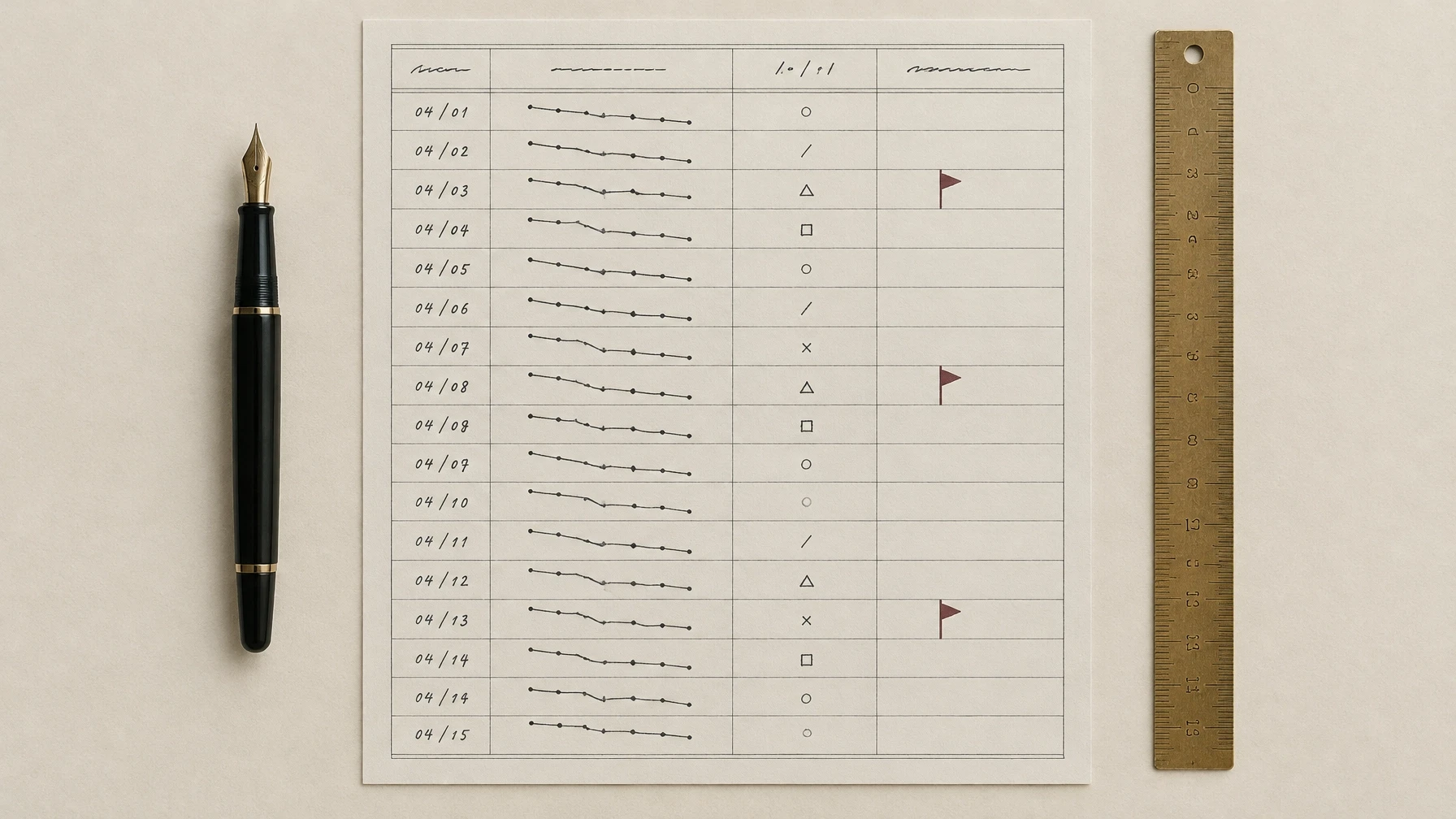
An inventory entry records an approval: system, purpose, data, owner, conditions. It documents a point in time. Drift monitoring is what keeps the entry honest after that point. Without it, the inventory becomes a photograph of a moving object: correct the day it was taken, wrong at some unstated moment after, and wrong for a period nobody can name. The practical consequence is familiar to anyone who has audited a governance program. The record says the organization governs twelve systems. In operation it governs fewer, or twelve systems that no longer behave as the entries describe. The organization has governance theater: records that exist, oversight that does not.
3. What drift monitoring actually requires
Drift monitoring does not require a data science function. It requires the same elements every operating control requires: a named owner for each system, defined performance indicators, thresholds that trigger review, a review route when a threshold trips, and a record of what happened. For AI systems the indicators differ by system type, but the structure does not. The questions are: what measurement would show this system has changed, who receives that measurement, at what value does it escalate, and what evidence exists that review occurred. An organization that can answer those four questions has drift monitoring. An organization that cannot has an inventory.
4. Drift is where the other three pillars meet AI
Drift monitoring is not an AI-specialist discipline; it is where AI risk connects to the operating disciplines the organization already runs. Decision rights determine who receives a drift signal and who can suspend a system. Evidence discipline determines whether the monitoring record would satisfy an examiner. Remediation runs through the same findings-to-fix structure as any other control failure. The organization does not need to invent an AI-specific machinery; it needs to point existing machinery at a new class of system. The International Organization for Standardization (ISO)/International Electrotechnical Commission (IEC) 23894:2023 guidance on AI risk management makes the same point from the other direction: continual monitoring and review, with reassessment after significant change, is the operating expectation, and the standard is explicit that its guidance is not auditable requirements. Governance lives in what the organization does between reviews, not in the document it bought.
5. From inventory to operating control
The upgrade path from inventory to operating control is short, and most of it is structure rather than technology: add an owner and review indicators to each entry, define what a trip means and where it routes, and keep the monitoring record where evidence lives. What the organization ends with is an inventory that behaves like a control: entries that reflect current behavior, thresholds that surface change before customers or examiners do, and a record that shows the governance operated. SignalAssure™ provides the structure: control evidence, audit readiness, and remediation tracking that carries inventory entries, drift thresholds, and monitoring records in one operating layer.
The leadership test is narrow: for any AI system in the inventory, can the organization show what has changed since approval, who received the signal, and what the record shows happened next? Where that answer exists, the inventory is a control. Where it does not, it is a list.
To put this into practice with SignalAssure™, you can request an organizational license.
This content is general business and compliance information, not legal advice.